Image
Image

![A mother and young boy sitting in a doctor’s waiting room, with posters on the wall of various messages. [104]](/sites/default/files/2026-02/HEADER_1.png)
![A man sitting in a doctor’s waiting room, with multiple posters on the wall of various messages. [96]](/sites/default/files/2026-02/HEADER_2.png)
![A mother and young boy sitting in a doctor’s waiting room, with posters on the wall of various messages. [104]](/sites/default/files/2026-02/m%20HEADER_CG2.png)
![A man sitting in a doctor’s waiting room, with multiple posters on the wall of various messages. [96]](/sites/default/files/2026-02/HEADER%20%283%29.png)
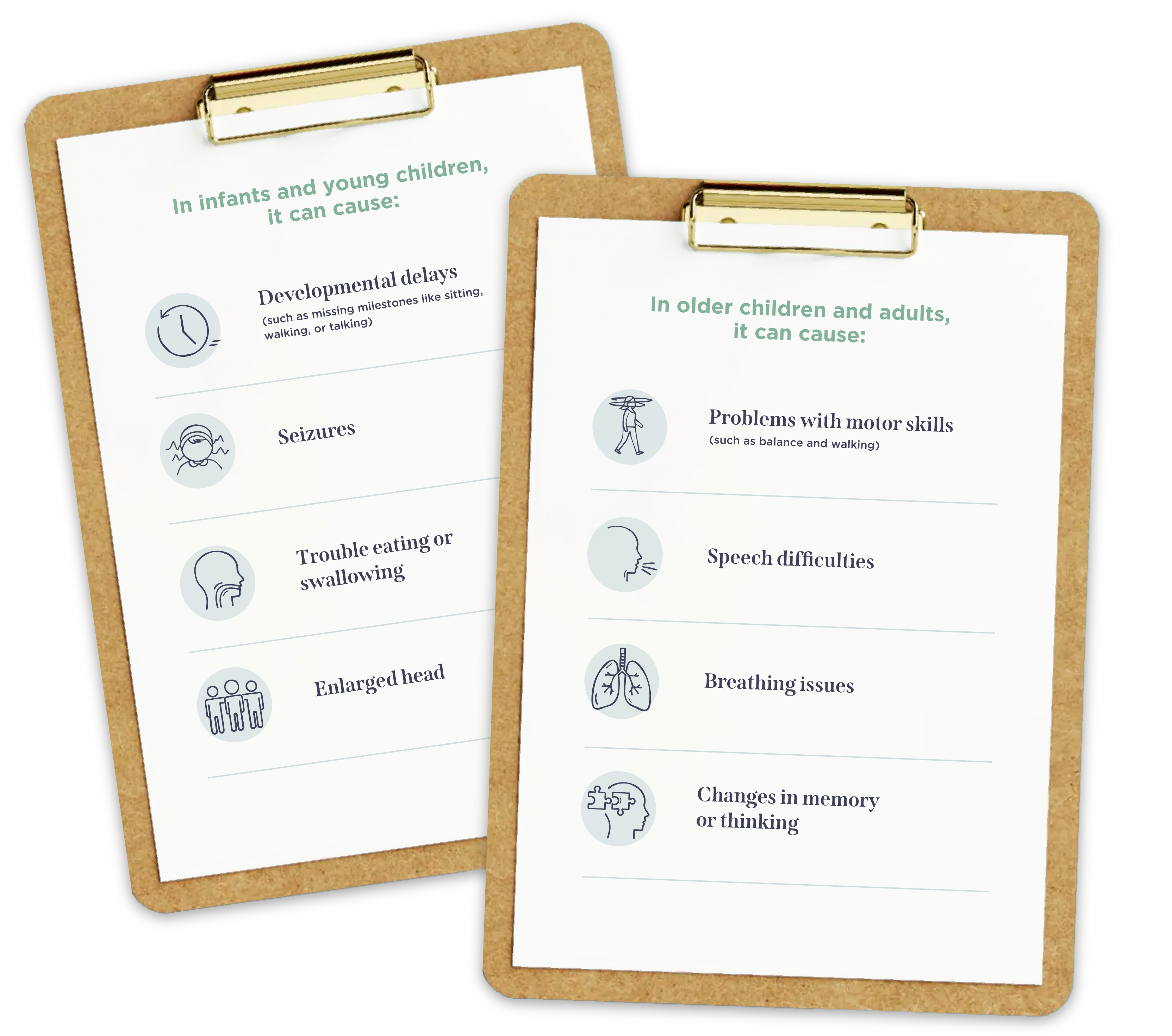
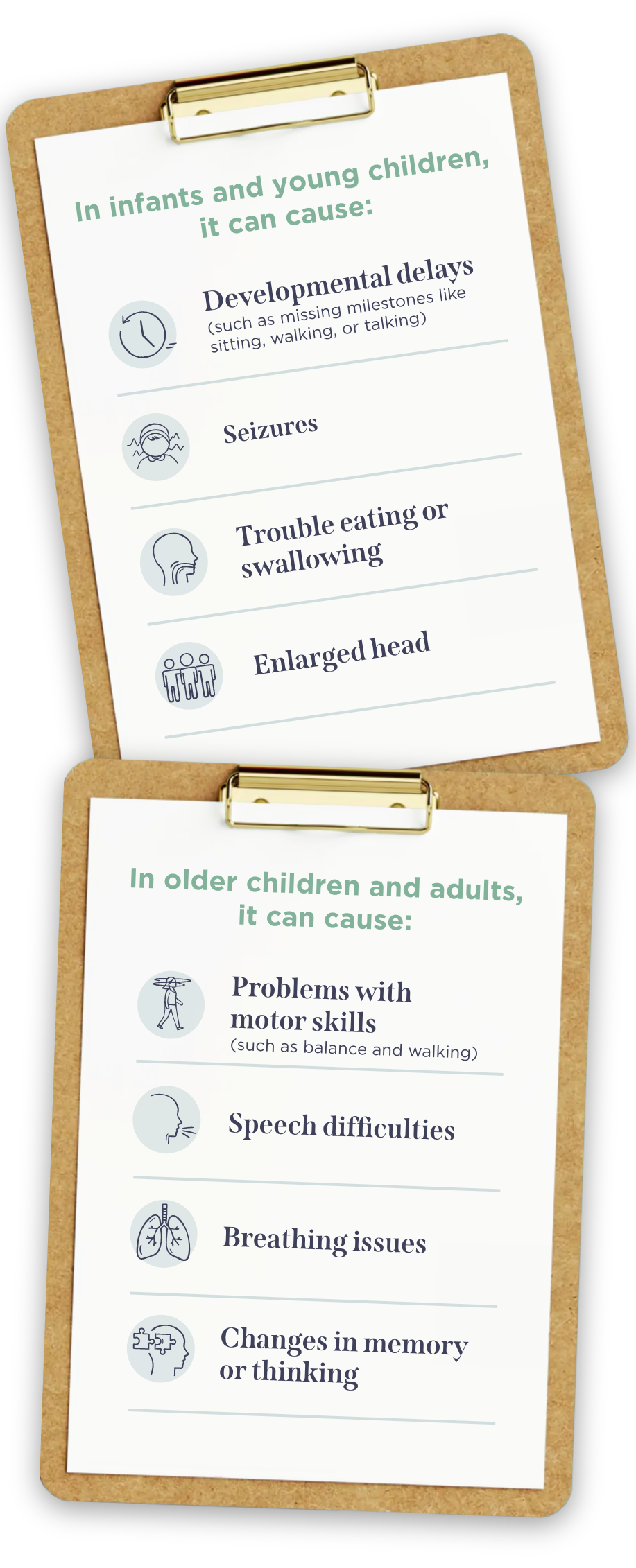
Difficulty walking or talking, frequent vomiting, or problems with memory, thinking, or learning could be signs of a neurological condition.
Don’t wait—when something doesn’t feel right, trust your instincts. Ask your doctor about seeing a neurologist who can run the right tests to help find answers.
Alexander disease is a rare genetic disorder that affects the brain and spinal cord (called a neurological condition).

(such as missing milestones like sitting, walking, or talking)




(such as balance and walking)



Whether it’s you or someone you care for, subtle health changes may be the first sign that something could be wrong.
If you recognize any of the above signs or symptoms in your child, yourself, or someone you care for, it is important to seek prompt medical attention.


You understand what feels typical for you or your child and when something seems off—whether it’s eating difficulties, challenges with daily activities, or differences in thinking or behavior—it’s worth discussing with your doctor. The sooner you share your concerns, the better. Your questions and observations matter, and talking about them is an important step toward making informed decisions.
Your healthcare team relies on your input to provide the best care possible. You deserve answers and speaking up to your doctor can help you get them.
Starting the conversation with your or your child’s doctor is the first step
If your or your child’s symptoms remain unexplained, it is important to empower yourself to advocate for a referral to a neurologist for a:




MRI, magnetic resonance imaging.