
Alexander disease support resources


Patient advocacy organizations play a vital role for people living with Alexander disease and their families or caregivers. They provide education about the condition, resources to help manage daily challenges, and connections to a supportive community. Many also offer guidance on accessing clinical trials, financial assistance, and emotional support services.
Patient advocacy organizations you can turn to
ALEX, THE LEUKODYSTROPHY CHARITY
Provides access to vital support and information for all those affected by a genetic leukodystrophy and helps advance medical research.

ELISE’S CORNER
A community group focused on spreading awareness of Alexander disease and aiding research efforts to find treatments and a cure for this rare genetic disorder.

END AXD
Focused on driving research and development toward a treatment—and eventual cure—of Alexander disease, while helping patients get the care they need.

HUNTER’S HOPE
Provides critical information and research on leukodystrophies while supporting and encouraging patients and their families through these life-limiting illnesses.
NATIONAL ORGANIZATION FOR RARE DISORDERS
Dedicated to improving the lives of Americans living with rare diseases, NORD drives progress in research, care, and policy in partnership with more than 350 disease-specific member organizations.

UNITED LEUKODYSTROPHY FOUNDATION
Dedicated to funding research and providing disease information and medical referrals to patients and families living with a leukodystrophy.
Support materials
Support materials
Download an overview of Alexander disease—including symptoms, the importance of early diagnosis, and care resources—to share with family, caregivers, and healthcare providers.
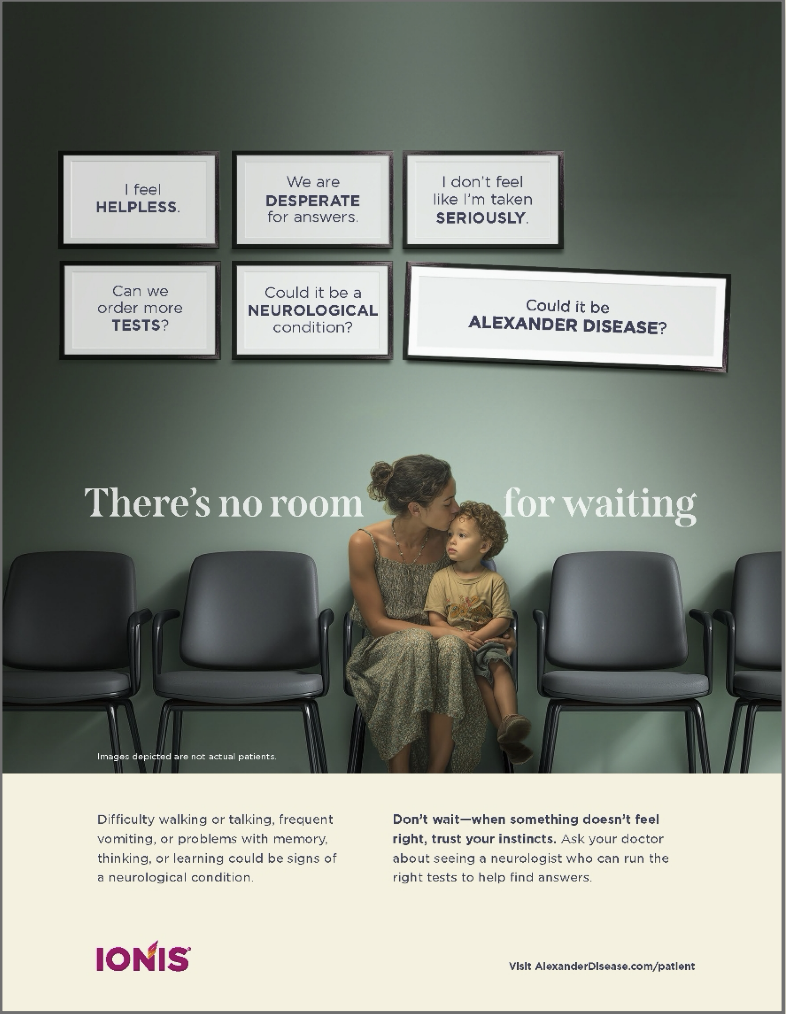
Stay connected


Alexander disease is rare—but early diagnosis makes a difference. If you or someone you care for is experiencing unexplained neurological symptoms, talk to a doctor right away and ask for a referral to a neurologist. MRI and genetic testing can help provide answers sooner. And by staying informed and engaged, you can play an active role in care, research, and advocacy.